
Overwintering Tender Plants: Tips for Keeping Your Tropicals Cozy
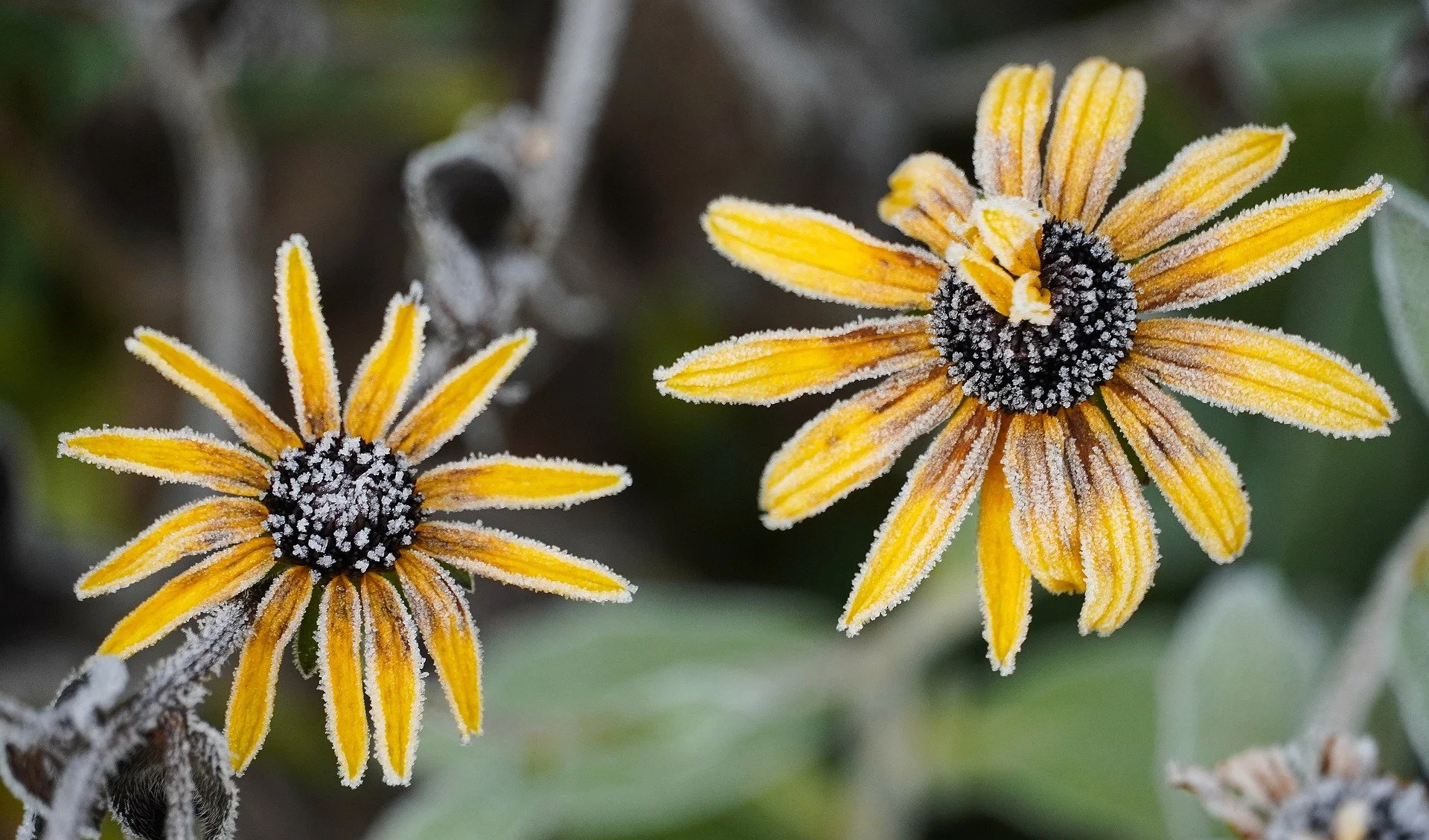
As temperatures drop this time of year, my phone buzzes nonstop with texts and calls from friends wondering how to protect their beloved tropicals, like hibiscus, citrus trees, and aeoniums, from the chill of winter. It all boils down to one word: overwintering.
Overwintering is about giving your plants the care and protection they need to survive the colder months. Whether that means bringing them into a sunny indoor spot, tucking them into a protected nook, or wrapping them with old-fashioned incandescent string lights or covers to fend off frost, biting winds, and sudden cold snaps, a little preparation can go a long way.
Understanding Overwintering
The goal is simple: shield your plants from extreme cold, harsh winds and heavy rain, while managing the challenges of low light and shorter days to keep them healthy and happy until spring. Tender plants, native to warmer climates, are especially vulnerable to freezing temperatures, which can cause severe damage or even kill them.
In winter, lower light levels slow plant growth, so plants need less water. Overwatering can lead to soggy soil and root rot. In the Pacific Northwest, where wet winters pose as much of a threat as the cold, finding the right balance between protection and light is the key.
Know Your Plants
Each plant has different needs. Some, like aeoniums and Meyer lemon trees, can handle cooler temperatures and survive a slight, temporary freeze. Others, like begonias and asparagus ferns, can't tolerate freezing temperatures at all. Understanding your plants’ needs will help you choose the best overwintering strategy.
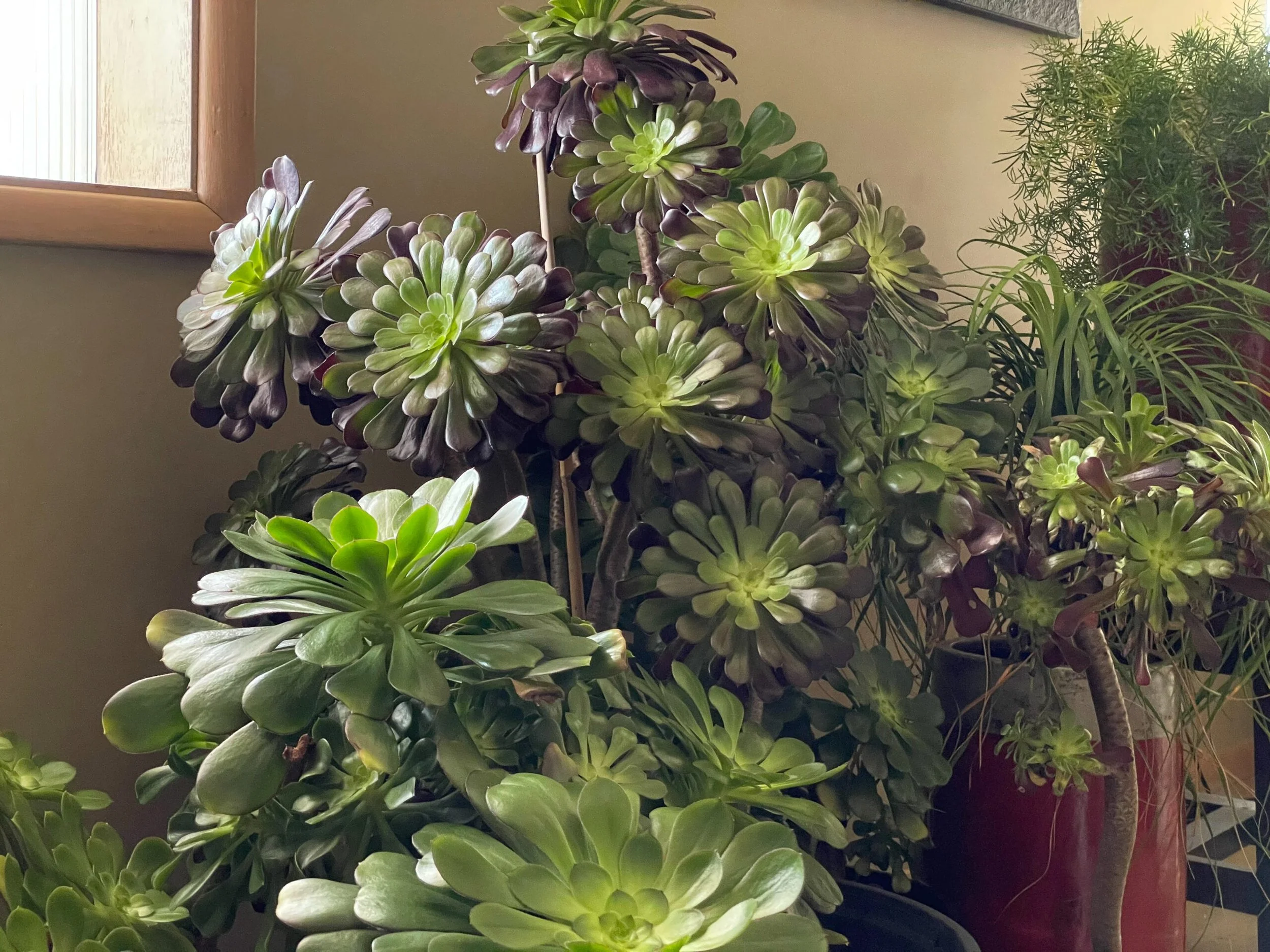
Aeoniums relocated indoors at sunlit window
When to Bring Plants In
If you're wondering about timing, watch for two things: frost threats and overnight temperatures consistently below 45°F. I like to leave my plants outside as long as possible, typically late October to early November, so they naturally slow their growth. This way, they're ready for the shift indoors before the first big frost hits. In Seattle, frost was forecast two nights ago but never arrived (it typically shows up around mid-November), so I’m watching overnight temps closely. Once they consistently dip into the mid-40s, I know it’s time. Keeping an eye on the weather forecast ensures you're not caught off guard. Once temps hit 32°F, frost can wreak havoc, damaging or even killing tender plants left outdoors.
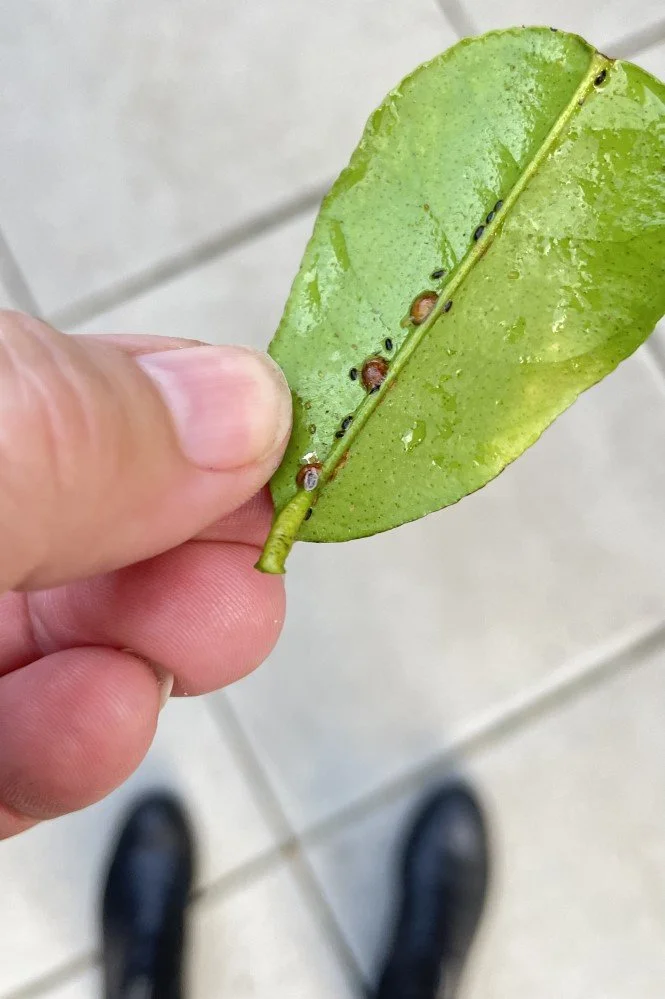
Inspecting citrus plant for insects and identifying scale.
Inspect Plants Before Bringing Them In
Before moving any plants indoors, huddling them together, or covering them up, give them a good once-over. Check under leaves and along stems for hitchhiking insects or fungal diseases.
For instance, last year I spotted scale on my Thai lime tree and treated it all year. I’ll be checking it closely before grouping it with other plants or bringing it inside. A quick rinse or a wiping down of pots can also help prevent problems from spreading.
Choose Your Overwintering Strategy
Depending on your plants and space, you have three main options:
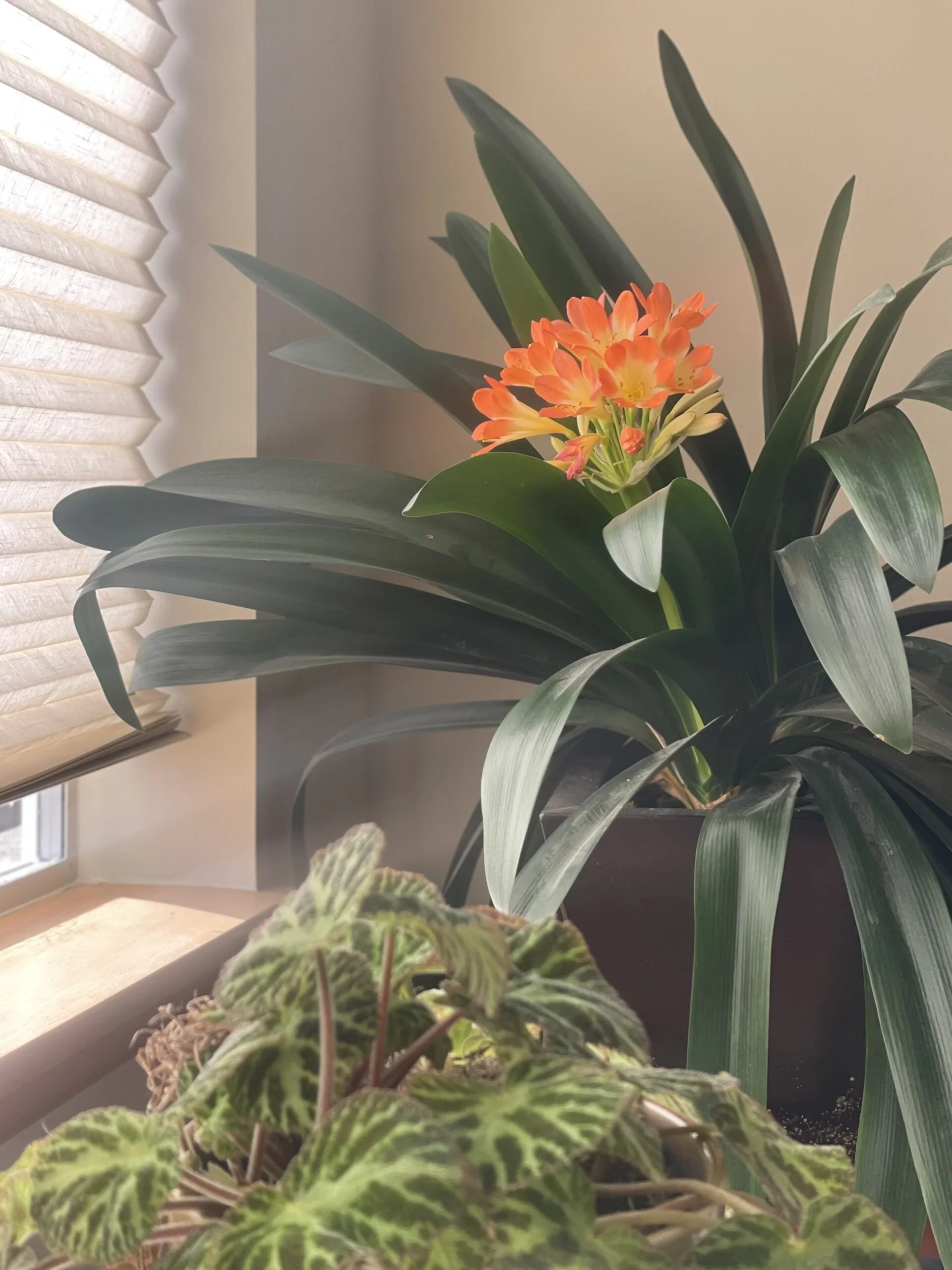
Clivia and Begonia placed in bright sunny spot indoors.
Bring Them Indoors
For plants that thrive in warm conditions, indoors is the best option.
Gradual Transition: To minimize shock, gradually transition your plants indoors by increasing their time inside over a few days.
Find the Right Spot: Choose a location with plenty of light and consistent temperatures. A sunny south or west-facing window is usually best. Keep plants away from heat vents, where dry, warm air can stress them, making them more vulnerable to pests or diseases.
Temperature Tip: Most tropical plants do best with daytime temperatures of 65-75°F and slightly cooler nights.
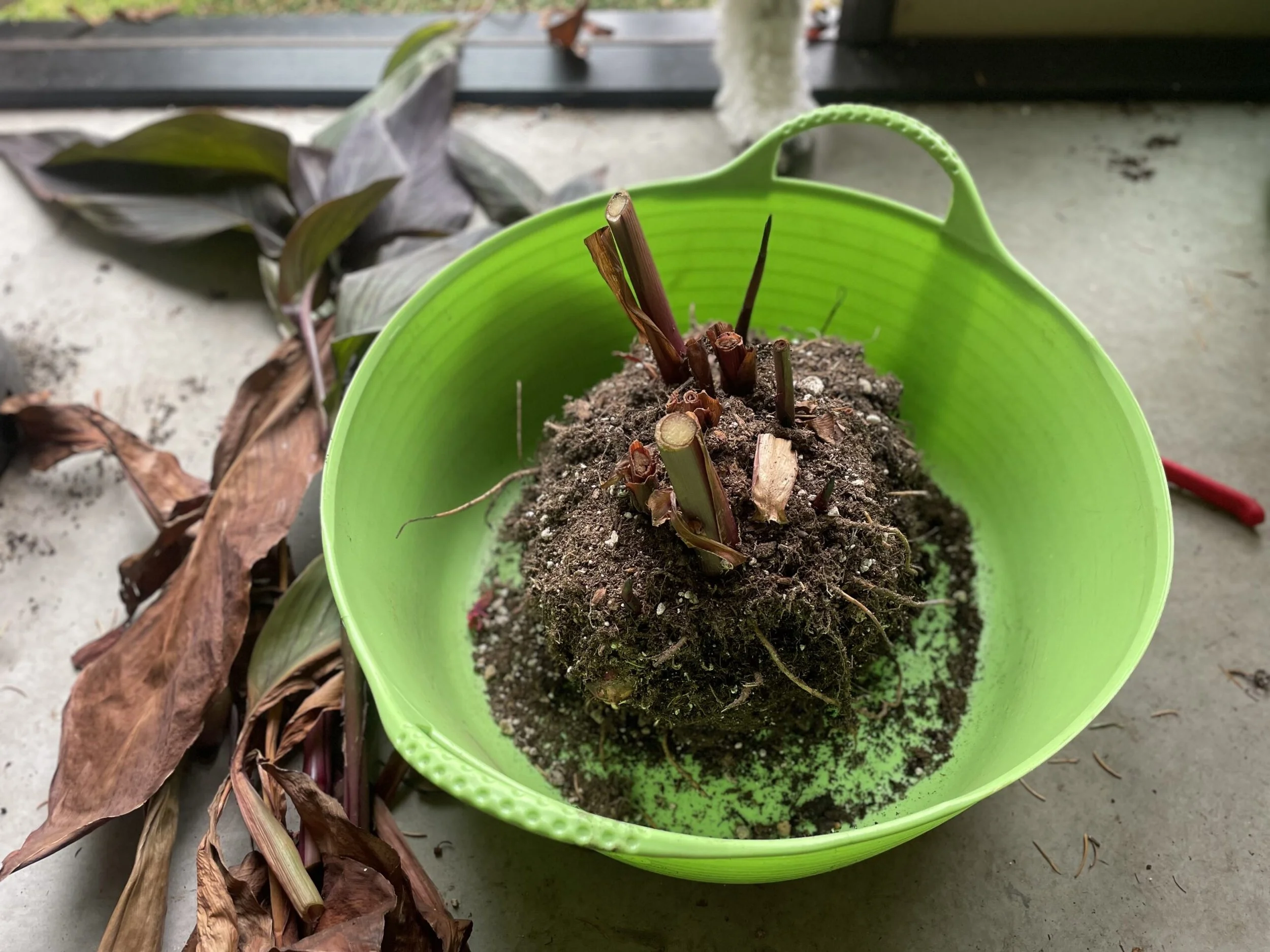
Canna being prepped for overwintering.
Store Them Dormant
Some tropicals, like cannas, Colocasia, and bananas, can be overwintered in dormancy. Technically, cannas grow from rhizomes and Colocasia from corms, but the care is much the same, so I’ll just call them roots here.
How-To: Cut the foliage back to a few inches. Depending on space, either dig up the roots and brush off excess soil or leave them potted.
Storage: Keep them in a cool, dark spot like a basement or garage. Wrap the roots in newspaper, or store them in a box with peat moss to wick away excess moisture but keep root system slightly damp. If left potted or wrapped, check monthly for signs of too much moisture, mold or shriveling, and water sparingly if needed.
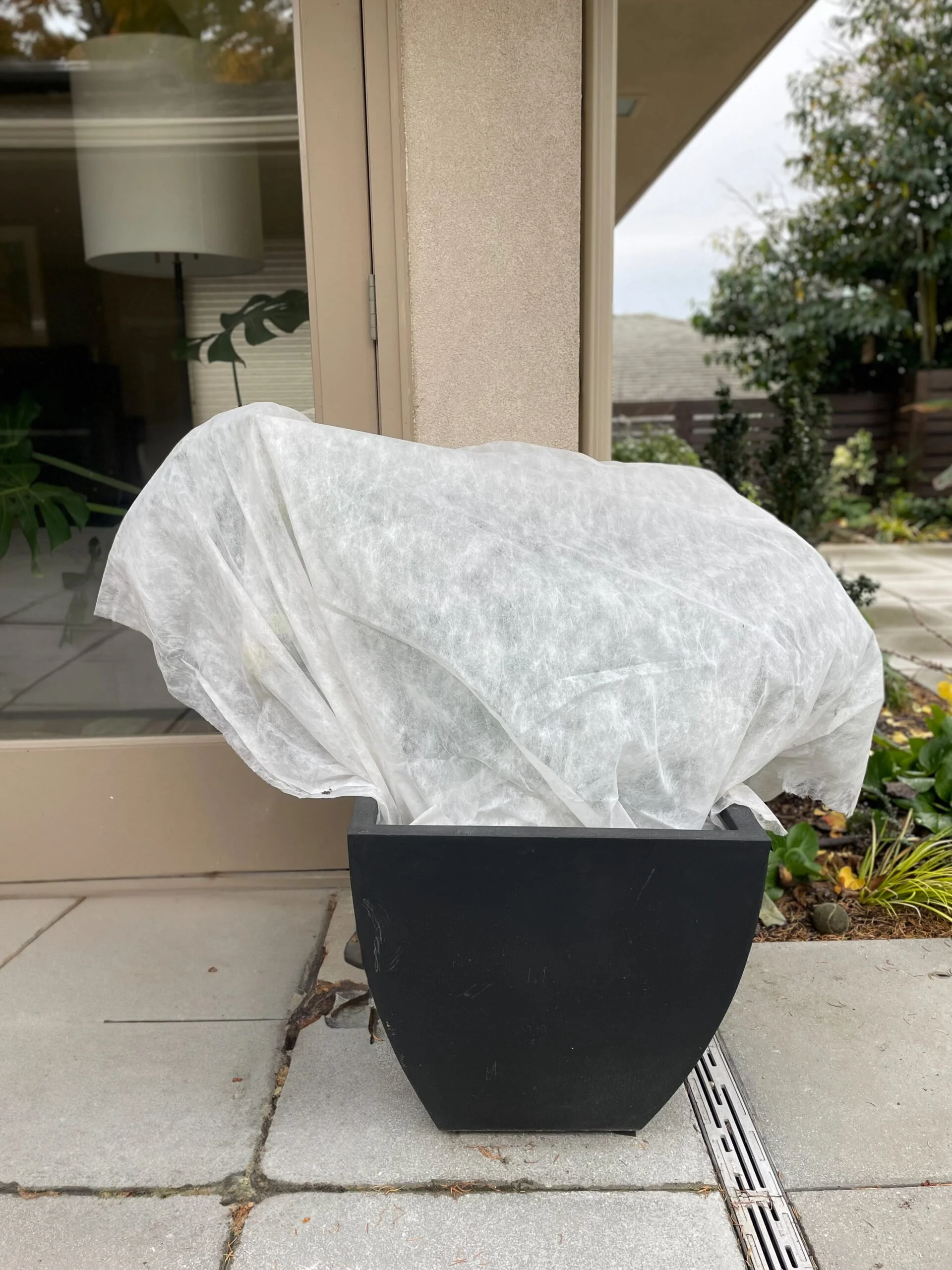
Citrus tree covered for winter protection.
Protect Them Outside
Unwieldy plants like Musa basjoo (the large hardy banana) or those a bit hardier like certain citrus trees can often stay outdoors with extra protection.
Insulate Pots: Wrap containers with bubble wrap or burlap to protect roots from freezing when temperatures drop to dangerous zones.
Cover Plants: Use frost cloths or breathable fabric to shield foliage from frost and wind when conditions arise where they can do damage. Remove coverings as soon as the risk passes to allow light and airflow.
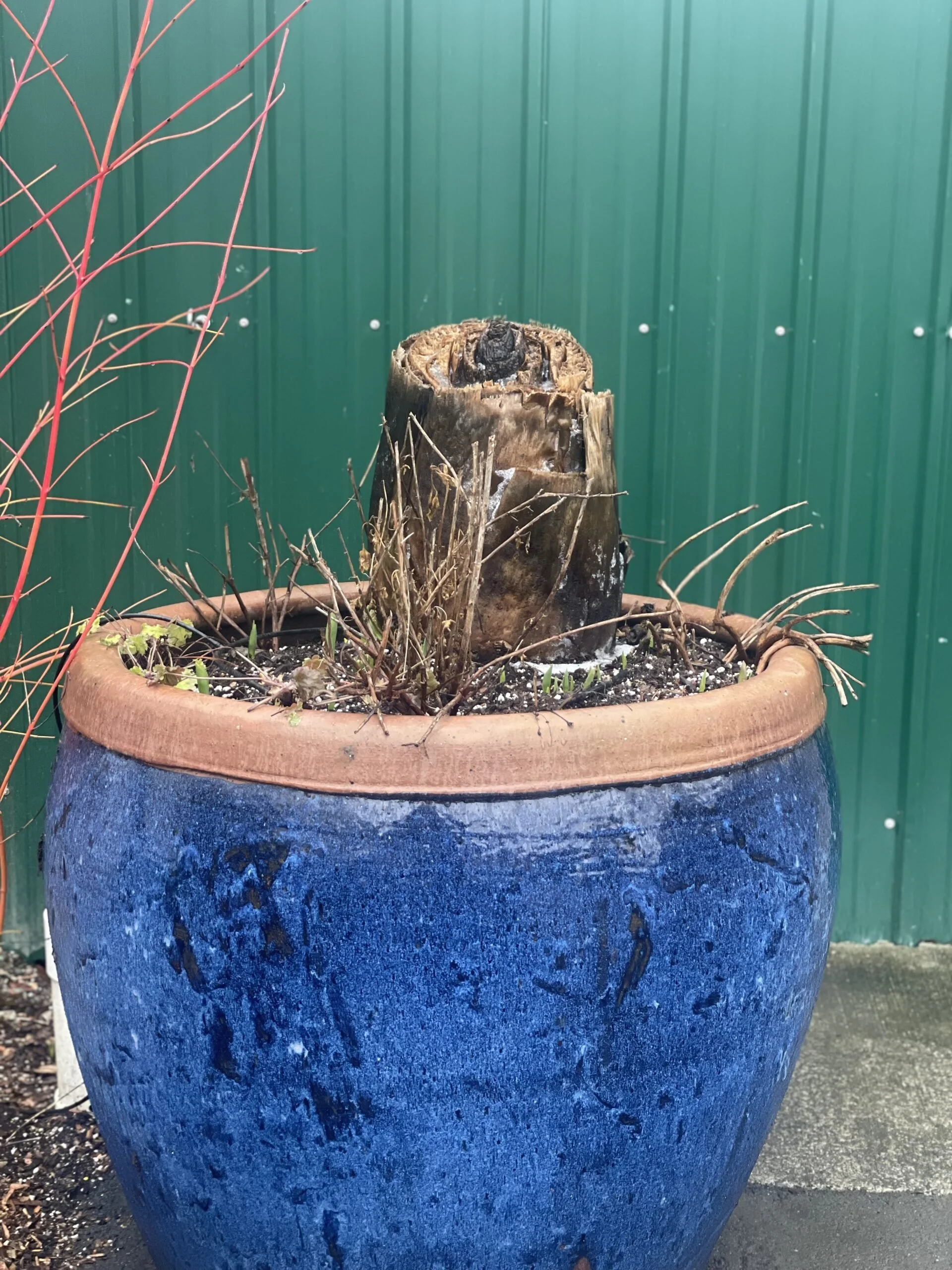
Overwintering Ensete ventricosum in container.
My Overwintering Cheat Sheet
Here's how I'll be caring for my tropical and tender perennials this upcoming winter:
Aeonium spp.: These need a sheltered spot above freezing with minimal watering. In the PNW, where our winters are wet, they're better off undercover or indoors.
Begonia rex-cultorum: This makes for a gorgeous winter houseplant placed in a bright spot with indirect light away from vents to avoid dry air. I'll water sparingly and let it enjoy the cozy indoor temperatures of 60-70°F.
Canna spp.: After removing the leaves and cutting stalks back to 4-6 inches, I'll wrap the root ball in a towel and store it in a heavy-duty contractor’s bag, left open so it can breathe, in my shed, which stays above 40°F. The towel helps absorb excess moisture, keeping the root ball damp but not soggy.
Ensete ventricosum (Banana): Like cannas, I'll remove the leaves and cut it back before moving it into my shed. Alternatively, it could be left intact and be placed in a bright window or under a grow light for the winter.
Citrus x Meyeri (Meyer Lemon Tree): Mine is too big to move easily now. I’ll be leaving it outside under the eaves, protecting it as necessary. If it wasn’t so large, I’d be bringing it in when temperatures are forecast to dip below 35°F. Indoors, it would enjoy a sunny west-facing window and occasional misting to maintain humidity. I'll fertilize it in early March, using a dosage specific to potted citrus.
Citrus hystrix (Thai Lime Tree): After treating it for scale all year, and with an El Niño forecast and above-normal temperatures predicted for winter, I’ve decided to leave it outside this season, protecting it with frost cloth when temperatures fall below 35°F. I'll fertilize it in early March, using a dosage specific to potted citrus.
Colocasia esculenta 'Diamond Head' (Taro): If space allows, I'll keep it potted in my shed, cutting it back to the ground and watering minimally. Otherwise, its dormant corm will rest in a paper bag in the garage.
Dracaena marginata 'Tricolor' (Dragon Tree): A lovely houseplant in the winter, it thrives with indirect light and soil that's allowed to dry out between waterings.
Hibiscus 'Jazzy Jewel Amber': Mine goes into my she-shed in front of an east- facing window, where it stays cool and gets a little light. Watering it sparingly, just enough to keep it alive. I’ll be honest, this one’s a little hit and miss for me. Sometimes it works, and sometimes it doesn’t.
Looking Ahead to Spring

Overwintering tender plants may take a bit of effort, but it's so rewarding to see your prized possessions thrive year after year. Once the frosts are behind us, they'll need a little extra care to ease back into outdoor life. Give them a bit of time to readjust by gradually introducing them to sunlight over a few weeks, and before you know it, they'll be bouncing back beautifully.
In the meantime, here's to embracing the slower season ahead, savoring cozy days indoors while your tender plants rest safely, tucked away waiting for warmer days to return.